
Cancer treatment has advanced significantly, giving patients access to therapies that work in different ways to control cancer. One important development is cancer immunotherapy, a treatment approach that uses the body’s immune system to recognise and fight cancer cells.
Unlike conventional chemotherapy, which directly targets rapidly dividing cells, many immunotherapy treatments help immune cells identify and attack cancer more effectively. Depending on the type of cancer, its stage, and specific biological characteristics, immunotherapy may be recommended on its own or alongside other treatments.
However, immunotherapy is not suitable for every patient, and its results can vary. Understanding how it works, its potential benefits, possible side effects, and the factors that influence treatment decisions can help patients have more informed conversations with their oncologist.
What Is Cancer Immunotherapy?
Cancer immunotherapy is a type of cancer treatment that helps the immune system fight malignant cells. The immune system naturally protects the body against infections and other threats. It can also recognise abnormal cells, including some cancer cells, and destroy them.
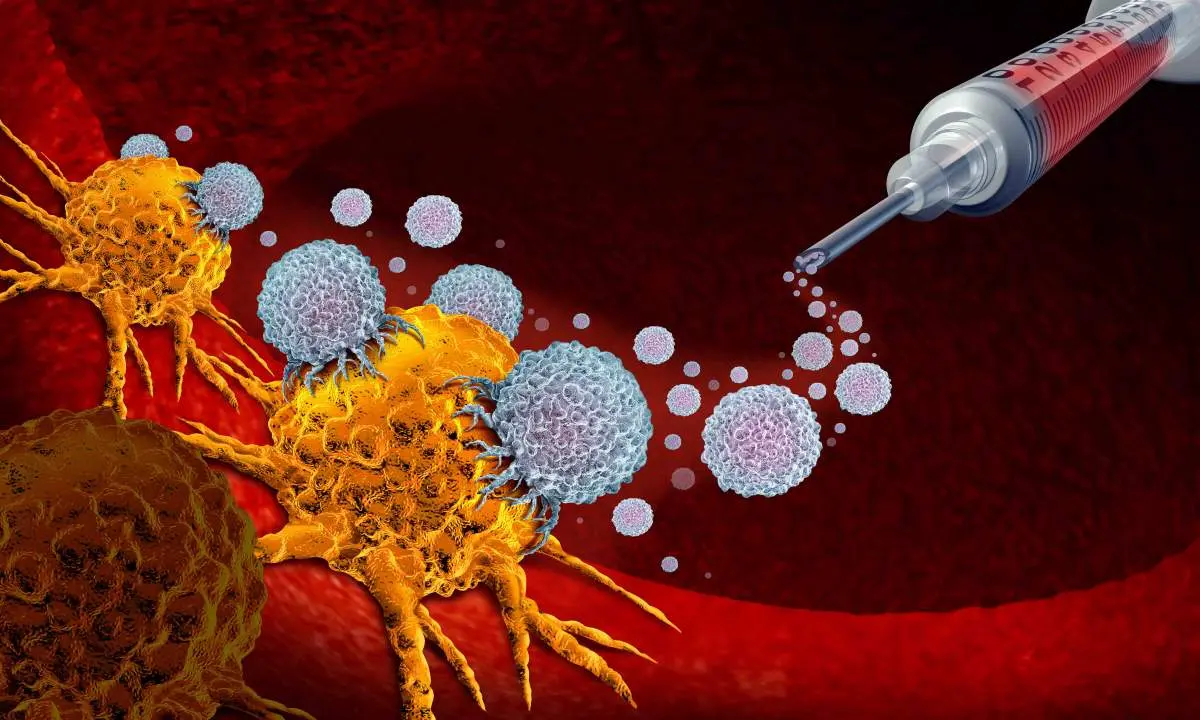
However, cancer cells can sometimes avoid immune detection or interfere with the body’s normal immune response. They may develop changes that make them less visible to immune cells or produce signals that reduce immune activity.
Cancer immunotherapy aims to overcome some of these obstacles. Depending on the treatment, it may help immune cells recognise cancer, strengthen their ability to attack it, or remove signals that prevent an effective immune response. Several forms of immunotherapy are used in modern oncology. These include immune checkpoint inhibitors, certain monoclonal antibodies, immune cell therapies, and other treatments that modify immune activity.
The specific treatment recommended depends on the cancer diagnosis, available clinical evidence, test results, and the patient’s overall health.
How Does Cancer Immunotherapy Work?
The immune system contains specialised cells that help identify and eliminate harmful or abnormal cells. Among them are T cells, a type of white blood cell that plays an important role in immune defence. Cancer cells can sometimes escape these natural defences. Immunotherapy uses different strategies to help the immune system respond more effectively.
Blocking Signals That Suppress Immune Activity
Some cancer cells take advantage of natural immune checkpoint mechanisms. These mechanisms normally prevent the immune system from attacking healthy tissues excessively. Certain tumours use checkpoint signals to reduce the activity of T cells. Immune checkpoint inhibitors block specific proteins involved in these signals, helping immune cells recognise and attack cancer cells. These medicines are used for selected cancers, including certain lung, breast, colorectal, kidney, and other cancers. Their suitability depends on the specific diagnosis and, in some cases, biomarker test results.
Helping the Immune System Recognise Cancer
Some immunotherapy treatments use laboratory produced antibodies or other biological approaches to help the immune system identify particular targets on cancer cells.
These treatments may attach to specific proteins or help immune cells interact more effectively with malignant cells. The targets vary according to the medicine and cancer being treated.
Strengthening or Modifying Immune Cells
Certain treatments use immune cells that are collected from a patient and prepared or modified in a laboratory before being returned to the body. CAR T cell therapy is one example of this approach and is used for selected blood cancers. Other forms of immunotherapy modify immune activity in different ways. These approaches are appropriate for particular diagnoses and are not routinely used for every cancer.
The central principle is that immunotherapy aims to improve the body’s ability to fight cancer. However, the response depends on the treatment mechanism and how the individual tumour interacts with the immune system.
What Are the Potential Benefits of Cancer Immunotherapy?
Cancer immunotherapy has become an important treatment option for selected patients. Its potential benefits depend on the type of medicine, the cancer being treated, and the patient’s clinical circumstances.
It Can Help Control Certain Cancers
Some immunotherapy medicines can slow cancer growth, shrink tumours, or help control disease. In selected cases, they may produce durable responses that continue after treatment has ended. These outcomes are not guaranteed. Some patients respond well, while others experience limited benefit or do not respond to treatment.
It Offers a Different Treatment Mechanism
Immunotherapy works differently from many traditional cancer treatments. This provides another approach when oncologists consider how best to manage a particular cancer. It may be used alone or combined with chemotherapy, surgery, radiation therapy, targeted therapy, or other treatments when supported by clinical evidence.
It Can Be Used for Different Cancer Types
Immunotherapy is used for selected cases of several cancers, including lung cancer, melanoma, certain breast cancers, colorectal cancer, kidney cancer, and some head and neck cancers. Not every patient with these cancers will qualify. The cancer subtype, stage, molecular characteristics, previous treatment, and relevant clinical guidelines help determine whether immunotherapy is appropriate.
It May Offer Long Lasting Responses in Some Patients
A distinctive feature of some immunotherapy treatments is their ability to produce sustained responses in selected patients. This may occur because immune cells can continue recognising cancer related targets after treatment has begun.
Nevertheless, long lasting benefit is not universal. Cancer may continue growing despite treatment, or it may return after an initial response.
It Can Be Combined With Other Treatments
Immunotherapy is sometimes included in a broader treatment plan. For example, selected patients may receive immunotherapy with chemotherapy or another systemic treatment. Combination treatment can improve outcomes in some clinical situations, but it may also increase the possibility of side effects. The decision should be based on the cancer diagnosis, clinical evidence, and the patient’s health.
Which Types of Cancer Can Be Treated With Immunotherapy?
Immunotherapy is used in the treatment of several cancer types, but eligibility varies considerably.
Lung cancer: Certain patients with non small cell lung cancer and other selected lung cancer diagnoses may benefit from immunotherapy. Tumour characteristics, disease stage, biomarker results, and previous treatment can influence the recommendation.
Breast cancer: Immunotherapy may be an option for selected patients with particular breast cancer subtypes, including some triple negative breast cancers. It is not a standard treatment for every breast cancer diagnosis.
Colorectal cancer: Certain colorectal tumours with specific molecular characteristics may respond to immune checkpoint inhibitors. Testing can help identify patients who may benefit.
Head and neck cancers: Immunotherapy may be considered for selected cancers affecting the mouth, throat, and related structures, depending on the clinical situation.
Kidney cancer: Some patients with renal cell carcinoma may receive immunotherapy alone or in combination with other medicines.
Other cancers: Immunotherapy is also used for selected cases of melanoma, bladder cancer, cervical cancer, liver cancer, and certain blood cancers, among others.
These examples are not a complete list of indications. Treatment approvals and recommendations can vary by country and change as new evidence becomes available. An oncologist can explain whether an established immunotherapy option is relevant to a particular diagnosis.
What Are the Side Effects of Cancer Immunotherapy?
Although immunotherapy works differently from chemotherapy, it can still cause significant side effects. Some are mild and manageable, while others require urgent medical assessment.
Many immunotherapy related side effects occur because the immune system becomes more active and begins affecting healthy tissues. These reactions are sometimes called immune related adverse events. The type and severity of side effects depend on the medicine, dosage, cancer, and individual health factors.
Common Side Effects
Some patients experience:
• Fatigue or persistent tiredness
• Skin rashes, itching, or other skin changes
• Diarrhoea or changes in bowel habits
• Nausea or vomiting
• Fever, chills, or flu like symptoms
• Muscle or joint discomfort
Not everyone experiences these effects, and their severity varies. Patients should report new symptoms to their oncology team rather than assuming they are an expected part of treatment.
Inflammation Affecting Healthy Organs
Immunotherapy can sometimes cause inflammation in organs and tissues. Depending on the medicine and the affected organ, complications may involve:
• Lungs: Inflammation can cause a new or worsening cough, chest discomfort, or breathlessness.
• Intestines: Inflammation may lead to persistent diarrhoea, abdominal pain, or blood in the stool.
• Liver: Liver inflammation may affect blood test results and sometimes cause symptoms such as yellowing of the skin or eyes.
• Thyroid and other hormone producing glands: Immune reactions can alter hormone levels, leading to fatigue, changes in weight, or other symptoms.
• Kidneys and heart: Less common but potentially serious inflammatory complications can affect kidney function or heart health.
Some complications develop gradually, while others can worsen quickly. Early assessment is important because timely treatment may help prevent more serious problems.
When Should You Contact Your Oncology Team?
Patients receiving immunotherapy should know how to contact their treatment team if new symptoms develop.
Seek urgent medical assessment for symptoms such as difficulty breathing, severe or persistent diarrhoea, significant abdominal pain, chest pain, confusion, or a severe allergic reaction. Follow the emergency instructions provided by your treating team.
Do not wait for your next scheduled appointment if you develop concerning symptoms. Some immune related complications can occur during treatment or even after it has stopped.
Do not start or stop medicines, including steroids or other treatments for inflammation, without medical guidance. The appropriate response depends on the suspected complication and its severity.
Who Is Eligible for Cancer Immunotherapy?
Immunotherapy is not suitable for every person with cancer. An oncologist considers several factors before recommending this treatment.
Cancer Type and Stage
The diagnosis and stage of cancer are important starting points. Certain immunotherapy medicines are approved for specific cancers, stages, or treatment settings.
The potential benefit also depends on whether the goal is to cure the disease, reduce the risk of recurrence, control its growth, or relieve symptoms.
Biomarker and Molecular Testing
Some tumours have biological characteristics that make them more likely to respond to particular immunotherapy medicines. Depending on the cancer, testing may assess features such as PD L1 expression, mismatch repair deficiency, or high microsatellite instability.
Not every immunotherapy decision requires the same tests. The oncologist determines which investigations are relevant to the diagnosis and proposed treatment.
General Health and Medical History
The patient’s overall condition, other medical illnesses, previous treatments, and current medicines can influence treatment decisions.
Certain autoimmune conditions, organ transplants, or medicines that suppress the immune system may require particular consideration. These factors do not automatically rule out immunotherapy in every case, but they can affect the balance of potential benefits and risks.
Previous Treatment and Individual Goals
An oncologist also reviews treatments already received, the cancer’s response to those treatments, and the patient’s priorities.
A treatment that is appropriate for one patient may not be the best option for another, even when their diagnoses appear similar. Personalised assessment helps guide a suitable treatment plan.
What Happens During Cancer Immunotherapy Treatment?
The treatment process varies according to the medicine being used. Many immunotherapy drugs are administered through an intravenous infusion at a hospital or treatment centre. Some forms are given by injection or other routes.
Before treatment begins, the oncology team reviews the diagnosis, relevant test results, medical history, and baseline health measurements. Blood tests and other investigations may be required to assess organ function and establish a reference point for monitoring.
During treatment, the patient may attend regular appointments for medication administration, symptom review, and laboratory tests. Imaging studies may be performed at appropriate intervals to assess whether the cancer is responding.
The length of treatment depends on the cancer, medicine, treatment setting, response, and side effects. Some patients receive a defined course, while others follow a different schedule based on their clinical circumstances.
Patients should keep their appointments, report new symptoms promptly, and follow the instructions provided by their oncology team. They should also inform their doctors about supplements, non prescribed medicines, and any significant changes in their health.
Cancer Immunotherapy vs Chemotherapy: What Is the Difference?
Immunotherapy and chemotherapy are both used to treat cancer, but they work through different mechanisms. Chemotherapy uses medicines that kill cancer cells or stop their growth. Because some chemotherapy drugs also affect healthy cells that divide rapidly, they can cause effects such as hair loss, nausea, and reduced blood cell counts.
Many immunotherapy treatments instead help the immune system recognise or attack cancer cells. Their side effects can include fatigue, skin changes, diarrhoea, and inflammation affecting healthy organs.
Neither treatment is universally better than the other. The appropriate choice depends on the type and stage of cancer, biological test results, available evidence, and the patient’s overall health.
In some situations, immunotherapy and chemotherapy are used together because the combination offers a meaningful benefit. In others, one treatment may be preferred over another. The decision should always be individualized rather than based on the assumption that newer treatments are necessarily more effective or safer.
How Can Patients Prepare for Immunotherapy?
Preparing for treatment can help patients communicate effectively with their oncology team and recognise problems early. Before starting treatment, consider the following steps:
• Discuss your medical history: Inform your oncologist about existing illnesses, autoimmune conditions, previous treatments, allergies, and all medicines or supplements you take.
• Understand your treatment plan: Ask why immunotherapy is being recommended, what benefit is expected, and whether other treatment options are available.
• Learn the warning signs: Request clear instructions about which symptoms require an urgent call, an immediate hospital visit, or routine follow up.
• Keep a symptom record: Note new symptoms, when they begin, how severe they are, and whether they change over time.
• Attend monitoring appointments: Blood tests, examinations, and imaging may help the team assess treatment response and identify potential complications.
• Discuss practical support: Ask about nutrition, physical activity, work, travel, and other daily activities that may need to be adjusted during treatment.
Good communication between patients and their oncology team is an important part of safe cancer care.
Understanding Cancer Immunotherapy With Dr. Pranay Taori
Choosing cancer treatment requires more than identifying a medicine. It involves understanding the diagnosis, reviewing the available evidence, assessing individual risks, and discussing the patient’s treatment goals.
Dr. Pranay Girdhari Taori is a medical oncologist in Dubai with more than 27 years of dedicated medical oncology experience and over 35 years of total medical experience. His professional background includes the management of solid tumours and haematological cancers, along with experience in chemotherapy, targeted therapy, immunotherapy, and supportive and palliative care.
For patients considering immunotherapy, a specialist oncology consultation can help clarify whether the treatment may be appropriate for their particular diagnosis. The assessment may involve reviewing pathology reports, imaging, previous treatments, relevant biomarkers, and other medical information.
An individualised discussion can also help patients understand the intended treatment goals, expected monitoring, potential side effects, and alternative approaches when available.
Every cancer diagnosis is different. The aim is to develop a treatment plan informed by clinical evidence, the patient’s circumstances, and a clear understanding of the possible benefits and risks.
Conclusion
Cancer immunotherapy has expanded the treatment options available for many patients by helping the immune system recognise and fight cancer. For selected cancers, it can provide meaningful disease control and, in some cases, lasting responses.
However, immunotherapy does not work for every patient, and it can cause side effects ranging from mild symptoms to serious inflammation affecting healthy organs. Careful patient selection, appropriate testing, and ongoing monitoring are essential.
If you or a loved one has received a cancer diagnosis, discuss the available treatment options with a qualified medical oncologist. A specialist assessment can help determine whether immunotherapy, another treatment, or a combination of approaches may be suitable for your individual needs.
Considering cancer immunotherapy? Book a consultation with Dr. Pranay Taori to discuss your diagnosis, review relevant medical reports, and understand the treatment options that may be appropriate for you.
Frequently Asked Questions About Cancer Immunotherapy
Is cancer immunotherapy better than chemotherapy?
Neither treatment is always better. Immunotherapy may be more appropriate for certain cancers, while chemotherapy remains important for many others. Some patients benefit from receiving both treatments as part of a carefully planned approach.
Does immunotherapy cure cancer?
Immunotherapy can produce significant and sometimes long lasting responses in selected patients. However, it does not cure every cancer, and outcomes depend on the diagnosis, disease stage, treatment, and individual response.
How long does cancer immunotherapy treatment last?
Treatment duration varies. Some patients receive immunotherapy for a defined period, while others follow a different schedule depending on the medicine, cancer, response, and side effects. The treating oncologist determines the appropriate duration.
What are the most common immunotherapy side effects?
Common side effects can include fatigue, skin rash, itching, diarrhoea, nausea, and flu like symptoms. More serious complications can occur when the immune system causes inflammation in healthy organs.
Can immunotherapy side effects appear after treatment ends?
Yes. Some immune related side effects can develop or continue after treatment has stopped. Patients should follow their oncology team’s instructions and report new or worsening symptoms even after completing treatment.
Is immunotherapy suitable for all cancer patients?
No. Suitability depends on the cancer type, stage, relevant biomarkers, medical history, previous treatment, and other individual factors. An oncologist can explain whether immunotherapy is an appropriate option for a particular patient.
