
Completing cancer treatment can be an important milestone, bringing relief and hope for the future. However, many patients and their families continue to wonder whether the cancer could return. Understanding cancer recurrence, recognising changes that deserve medical attention, and following an appropriate monitoring plan can help patients feel better prepared for life after treatment.
Cancer recurrence occurs when cancer returns after a period during which it was no longer detectable or had been controlled. It can happen months or years after treatment, depending on the type of cancer and individual circumstances. Although follow-up care is designed to monitor health and look for signs of recurrence, it cannot always prevent cancer from returning or detect every recurrence at an early stage.
The likelihood of recurrence differs between patients. Factors such as the original cancer type, stage, tumour characteristics, and response to treatment all influence the assessment. Regular communication with an oncology team helps patients understand their individual situation and know when to seek medical advice.
What Is Cancer Recurrence?
Cancer recurrence means that cancer has returned after treatment. This can happen when a small number of cancer cells survive the initial treatment and later grow enough to become detectable. These cells may have been too small to identify during earlier investigations.
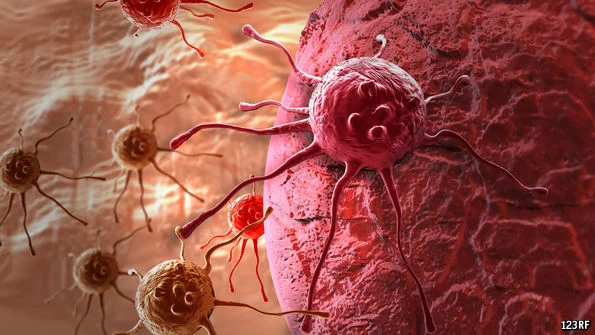
Recurrence does not automatically mean that the original treatment was unsuccessful or that the patient did anything wrong. Cancer behaviour varies, and even treatment that initially produces a very good response cannot guarantee that the disease will never return.
Doctors distinguish recurrence from cancer progression. Recurrence generally describes cancer returning after a period when it was not detectable or was considered to be in remission. Progression refers to cancer that continues to grow or spread during the course of the disease without having been fully eliminated. Understanding this distinction helps the medical team explain the current diagnosis and evaluate the next steps.
What Are the Different Types of Cancer Recurrence?
Cancer recurrence is commonly classified according to where the cancer returns.
Local recurrence
Local recurrence occurs in the same area where the original cancer developed. For example, cancer may return in the same breast after treatment for breast cancer or at the original tumour site following surgery for another solid tumour.
The symptoms depend on the affected area and may include a new lump, a change in the skin, persistent discomfort, or another change near the original site. Some local recurrences cause no noticeable symptoms and are identified during scheduled examinations or investigations.
Regional recurrence
Regional recurrence occurs in lymph nodes or tissues close to the original cancer site. Depending on the cancer type, it may involve nearby lymph nodes or surrounding structures. A new swelling or lump may sometimes be noticeable, but regional recurrence can also be detected through imaging or other investigations. A new lump does not necessarily indicate cancer, so medical assessment is needed to establish its cause.
Distant recurrence
Distant recurrence occurs when cancer returns in a part of the body away from its original location. It is also commonly described as metastatic recurrence. For example, certain breast cancers may recur in the bones, liver, lungs, or brain. Other cancer types may spread to different organs depending on their biological behavior.
Even when recurrent cancer is found in another organ, it is generally identified by where it originally began. Breast cancer that spreads to the lungs, for instance, remains metastatic breast cancer rather than becoming a new primary lung cancer. The location and extent of recurrence influence the available treatment options and the goals of care.
What Are the Signs and Symptoms of Cancer Recurrence?
The signs of cancer recurrence vary according to the original cancer type, the area affected, and the extent of the disease. Some patients develop noticeable symptoms, while others have no obvious changes in the early stages.
It is important to remember that experiencing a symptom does not necessarily mean that cancer has returned. Many symptoms can result from common illnesses, previous treatment, or unrelated medical conditions. However, persistent, unexplained, or worsening symptoms should be discussed with a healthcare professional. Possible warning signs include the following.
A new lump or swelling
A new lump, bump, or area of swelling may require assessment, particularly if it develops near the original cancer site or in an area previously affected by the disease. Lumps can have many causes, including infection and benign conditions, so examination and appropriate testing are important.
Persistent or unexplained pain
Pain that continues, becomes more severe, or has no clear explanation should be discussed with the medical team. The location and nature of the pain can help determine whether further investigations are needed. Pain alone is not proof of recurrence, and many causes can be treated.
Unexplained weight loss or appetite changes
Unintentional weight loss, a persistent reduction in appetite, or difficulty maintaining adequate nutrition may warrant medical evaluation, especially when these changes continue without an obvious reason.
A persistent cough or breathing difficulties
A cough that does not improve, new breathlessness, or other persistent respiratory symptoms should not be ignored. These symptoms may be associated with infections or other lung conditions, but they sometimes require investigation in people with a history of cancer.
Unusual bleeding or changes in bowel or bladder function
Blood in the stool or urine, persistent changes in bowel habits, difficulty swallowing, or other unexplained changes may require assessment. The significance of these symptoms depends on the original cancer type and the patient’s medical history.
Persistent fatigue or other unexplained changes
Fatigue is common during and after cancer treatment. However, severe or worsening fatigue, recurring fever, unusual bruising, persistent headaches, or other unexplained symptoms should be reported to the healthcare team.
Patients should ask their oncologist which specific symptoms are most relevant to their previous diagnosis. Knowing what to watch for can help them seek advice without assuming that every minor health change signals a recurrence.
Seek urgent medical attention for severe or sudden symptoms, such as significant difficulty breathing, heavy bleeding, new seizures, or sudden weakness or confusion. Do not wait for a routine follow-up appointment if a symptom may represent a medical emergency.
What Factors Influence the Risk of Cancer Recurrence?
There is no single factor that determines whether cancer will return. Oncologists consider several aspects of the original diagnosis and treatment when discussing recurrence risk.
Original cancer type and stage
Different cancers have different patterns of growth, spread, and response to treatment. The stage at diagnosis is also important because it describes how far the disease had progressed. In general, some more advanced cancers carry a higher risk of recurrence than cancers diagnosed at an early stage. However, the relationship varies by cancer type, and stage alone cannot predict an individual’s outcome.
Tumour characteristics
The biological characteristics of a tumour can influence how it behaves and responds to treatment. These may include the cancer’s grade, certain genetic changes, hormone receptor status, and other relevant biomarkers. For some cancers, specialized testing can help estimate recurrence risk or guide decisions about additional treatment. The usefulness of these tests depends on the specific diagnosis.
Response to initial treatment
Doctors assess how well the cancer responded to the original treatment. A strong response can be encouraging, but it does not always eliminate the possibility of recurrence. The findings from surgery, pathology reports, imaging, and other relevant investigations may help the medical team estimate the likelihood of the disease returning.
Treatment received
The type and extent of treatment can affect recurrence risk. Depending on the cancer, surgery may be followed by chemotherapy, radiation therapy, hormone therapy, targeted therapy, or another treatment intended to reduce the chance of recurrence.
The appropriate approach differs between diagnoses. Additional treatment is not necessary for every patient, and its potential benefits must be weighed against side effects and other considerations.
Individual health and other considerations
Overall health, certain inherited genetic factors, and the characteristics of the original disease may contribute to risk assessment. The relevance of lifestyle factors also varies by cancer type.
Patients should avoid blaming themselves if cancer returns. Recurrence can occur despite appropriate treatment and healthy habits. The medical team can explain which factors are relevant to the individual’s circumstances and whether any modifiable risks deserve attention.
How Is Cancer Recurrence Detected?
Follow-up monitoring aims to assess recovery, identify possible signs of recurrence, and manage the longer-term effects of cancer and its treatment. The monitoring plan should be tailored to the original cancer, treatment history, and current health.
Medical history and physical examination
During follow-up appointments, the oncologist may ask about new symptoms, changes in daily functioning, and any ongoing treatment-related problems. A physical examination may be performed when appropriate. Patients should mention symptoms that are new, persistent, or worsening, even if they are unsure whether the changes are related to cancer.
Blood tests
Blood tests may be used to assess general health, blood cell counts, organ function, or particular tumour markers when these are useful for the relevant cancer. Tumour markers are not suitable for monitoring every cancer, and an abnormal result does not automatically confirm recurrence. Likewise, normal blood test results cannot rule out every form of recurrent disease.
Imaging investigations
Depending on the cancer type and clinical situation, doctors may recommend investigations such as CT scans, MRI, PET scans, ultrasound, mammography, or other imaging tests. These investigations help evaluate specific areas of concern or monitor the disease when there is an established clinical reason to do so. The appropriate method and timing depend on the diagnosis.
Biopsy and additional testing
If examination or imaging suggests that cancer may have returned, further investigations may be needed. These can include a biopsy, laboratory tests, or other specialised assessments.
A biopsy can help establish whether a suspicious area contains cancer and, in selected cases, provide information about its current biological characteristics. This information may influence treatment decisions. Not every patient needs every test. The aim is to choose investigations that are appropriate for the cancer type and likely to provide clinically useful information.
Why Is Follow-Up Monitoring Important After Cancer Treatment?
Finishing active treatment does not necessarily mean that medical care ends. Follow-up visits provide an opportunity to review recovery, monitor for possible recurrence, and address health problems that may develop during the months or years after treatment.
A follow-up plan may include:
- Scheduled consultations with the oncology team or another appropriate healthcare professional.
- Physical examinations and investigations recommended for the specific cancer.
- Monitoring for long-term or late effects of treatment.
- Advice about general health, recommended screening, and ongoing supportive care.
- Assessment of emotional wellbeing and concerns about recurrence.
Follow-up schedules differ by cancer type, stage, treatment received, and individual needs. Some patients require more frequent visits initially, while others follow a different schedule based on their clinical circumstances.
Patients should ask for a written follow-up care plan that explains when to attend appointments, which tests may be needed, what symptoms to report, and whom to contact between visits. It is equally important to continue routine primary healthcare and recommended screening. Follow-up for the original cancer and screening for other health conditions serve related but distinct purposes.
Can Cancer Recurrence Be Prevented?
There is no guaranteed way to prevent cancer recurrence. However, following the recommended treatment plan and attending appropriate follow-up appointments can support ongoing care and help doctors respond to concerning changes.
Depending on the cancer, measures that may be relevant include:
- Completing prescribed treatment and discussing any difficulties with the medical team.
- Taking long-term medicines as directed and attending recommended monitoring visits.
- Avoiding tobacco and seeking support to stop smoking if needed.
- Maintaining a balanced diet and regular physical activity as tolerated.
- Managing existing health conditions and discussing changes in medicines or supplements.
- Following cancer-specific advice about screening and risk reduction.
These measures support general health, but they should not be presented as a guarantee that cancer will not return. Patients should also be cautious about unproven supplements, restrictive diets, or products claiming to prevent recurrence. Some supplements can interfere with cancer medicines or other treatments. Any changes to prescribed treatment should be discussed with the treating oncologist.
Coping With the Fear of Cancer Recurrence
Worry about cancer returning is common, even after treatment has gone well. Follow-up appointments, anniversaries, new aches, or changes in health can bring these concerns back. Although some uncertainty may remain, patients do not have to manage these feelings alone. Several approaches may help:
- Understand the individual risk: Ask the oncologist to explain what is known about the risk of recurrence for the specific diagnosis.
- Know the follow-up plan: Understanding the purpose of appointments and tests can reduce uncertainty.
- Discuss symptoms early: Ask the healthcare team how to distinguish expected treatment effects from changes that require assessment.
- Seek emotional support: Counselling, support groups, and conversations with trusted family members may help patients cope with anxiety.
- Focus on manageable goals: Gradually returning to daily activities, maintaining routines, and prioritising rest can support adjustment after treatment.
If fear becomes persistent or interferes with sleep, relationships, or daily life, professional psychological support may be beneficial. Emotional wellbeing is an important part of recovery and survivorship care.
What Happens if Cancer Returns?
A recurrence can be upsetting, but it does not mean that no treatment options remain. The appropriate next steps depend on where the cancer has returned, how extensive it is, how much time has passed since the original treatment, and the patient’s current health.
The medical team may review the original pathology report, previous treatments, imaging findings, and any new biopsy results. In some cases, additional biomarker testing may help determine whether the recurrent cancer has characteristics that could respond to a particular medicine.
Depending on the circumstances, treatment may include surgery, radiation therapy, chemotherapy, hormone therapy, targeted therapy, immunotherapy, or a combination of approaches. Some patients may also be eligible for a clinical trial.
Treatment goals can vary. They may include aiming for cure in selected situations, controlling the disease for as long as possible, relieving symptoms, or preserving quality of life. The oncologist should explain the purpose of each proposed treatment, its likely benefits, potential side effects, and reasonable alternatives. Patients are encouraged to ask questions and discuss their priorities openly. When appropriate, a second opinion may provide additional perspective on the diagnosis and available approaches.
Understanding Cancer Recurrence With Dr. Pranay Girdhari Taori
Cancer follow-up requires a clear understanding of the original diagnosis, the treatment received, and the patient’s health after treatment. Dr. Pranay Girdhari Taori is a medical oncologist with extensive experience in cancer care, including systemic treatments such as chemotherapy, targeted therapy, and immunotherapy where appropriate.
A consultation can help patients discuss concerns about recurrence, review relevant medical records and investigation results, and understand the purpose of recommended follow-up monitoring. If a new symptom or test result raises concern, the next steps depend on an individual clinical assessment rather than assumptions based on symptoms alone.
Patients should feel comfortable asking which changes they need to watch for, which tests are appropriate, and when they should contact their healthcare team. Clear communication and an individualised follow-up plan can help patients navigate life after cancer treatment with greater confidence.
Final Words About Cancer Recurrence
Cancer recurrence occurs when cancer returns after treatment, and it can develop locally, in nearby tissues, or in distant parts of the body. Its likelihood varies according to the original cancer, stage, tumour characteristics, response to treatment, and other individual factors.
Knowing which symptoms to report and attending recommended follow-up appointments are important parts of ongoing cancer care. However, symptoms do not automatically mean recurrence, and no monitoring plan can guarantee that every recurrence will be detected before symptoms appear.
If you have completed cancer treatment or are concerned about a new symptom, speak with your oncologist about your individual risk and follow-up needs. A personalized care plan can help clarify the appropriate investigations, address ongoing health concerns, and guide decisions if further assessment or treatment becomes necessary.
Frequently Asked Questions About Cancer Recurrence
Can cancer come back after successful treatment?
Yes. Cancer can return when a small number of cancer cells survive the original treatment and grow later. The likelihood varies by cancer type, stage, tumour biology, and response to treatment. Successful initial treatment does not guarantee that recurrence is impossible.
How long after treatment can cancer recur?
Recurrence can occur months or years after treatment. The timing varies considerably between cancer types and individual patients. Some cancers are more likely to recur earlier, while others can return much later. Follow-up recommendations should reflect the specific diagnosis and treatment history.
What are the first signs of cancer recurrence?
There is no single first sign. Possible changes include a new lump, persistent unexplained pain, unintentional weight loss, unusual bleeding, or a cough that does not improve. Some recurrences cause no noticeable symptoms and may be detected through appropriate follow-up investigations.
Can blood tests detect cancer recurrence?
Blood tests can help monitor certain cancers, assess general health, or measure specific tumour markers when appropriate. However, blood tests alone cannot detect every recurrence, and abnormal results do not always mean that cancer has returned. The role of testing depends on the cancer type.
How often should cancer survivors have follow-up appointments?
The schedule depends on the original cancer, stage, treatment, time since treatment, and individual health needs. Some patients need more frequent appointments during the earlier follow-up period, while others follow a different schedule. The treating team should provide an individualised plan.
Does cancer recurrence mean the treatment failed?
Not necessarily. Cancer cells can sometimes survive even when treatment produces a strong initial response. Recurrence does not automatically mean that treatment was inappropriate or that the patient did something wrong. The medical team can explain what the recurrence means for the individual case.
Can lifestyle changes prevent cancer from returning?
Healthy habits can support general health and may influence certain cancer-related risks, but no lifestyle change guarantees that cancer will not return. Patients should follow their treatment and monitoring recommendations and discuss diet, exercise, smoking cessation, and supplements with their healthcare team.
