
A cancer diagnosis can bring many questions, and one of the first is often, “What treatment options are available?” The answer depends on several factors, including the type of cancer, its stage, the characteristics of the cancer cells, and the patient’s overall health.
Cancer treatment has advanced beyond the traditional approaches of surgery, chemotherapy, and radiation therapy. Depending on the diagnosis, a treatment plan may also include immunotherapy, targeted therapy, hormone therapy, stem cell transplantation, or a combination of different treatments. Supportive care is another important part of helping patients manage symptoms and maintain their quality of life.
Understanding the available cancer treatment options can help patients and their families have more informed conversations with their medical team. Although reading about treatment can be useful, there is no single approach that is suitable for every cancer or every patient. The most appropriate plan should be based on a careful assessment of the individual case.
What Determines the Right Cancer Treatment?
Before recommending treatment, an oncologist considers more than the name of the cancer. Two people with the same type of cancer may need different treatments because their disease characteristics, health conditions, and treatment goals are not identical.
Important considerations include:
- Cancer type: The tissue or organ where the cancer began influences which treatments are likely to be effective.
- Cancer stage: Doctors assess the size of the tumour, whether nearby lymph nodes are involved, and whether the disease has spread to distant parts of the body.
- Tumour biology: Certain cancers have genetic changes, proteins, or hormone receptors that can influence treatment decisions.
- Overall health: Existing medical conditions, organ function, mobility, and general fitness can affect which treatments are appropriate.
- Previous treatment: The medical team considers any cancer treatments already received and how the disease responded.
- Treatment goals: Depending on the situation, the aim may be to cure the cancer, reduce the risk of recurrence, control its growth, or relieve symptoms.
Diagnostic investigations may include imaging scans, blood tests, a biopsy, and specialised laboratory testing. In selected cases, biomarker or molecular testing can help identify treatments that are more likely to work for a particular tumour.
Once these findings have been reviewed, the oncologist can explain the available approaches, their potential benefits, their limitations, and their possible side effects.
1. Cancer Surgery
Cancer surgery involves removing a tumour or cancerous tissue through an operation. It can be an important part of treatment when the disease is localised and the tumour can be safely removed. Surgery may also be used alongside other treatments to improve disease control.
When is surgery recommended?
Surgery may be considered when:
- A tumour is confined to an area where it can be removed.
- Removing the tumour is an important part of the overall treatment plan.
- Surgery can help establish the extent of the disease or provide tissue for diagnosis.
- A tumour is causing symptoms that may be relieved by an operation.
The role of surgery varies by cancer type. For some early-stage cancers, an operation may be the main treatment. In other cases, chemotherapy or radiation therapy may be recommended before or after surgery. Some blood cancers and widespread cancers are generally managed primarily with medicines rather than an operation to remove the disease.
What should patients know about cancer surgery?
The potential benefits must be weighed against the risks of the procedure, recovery time, and the effect on nearby organs or body functions. The type of operation depends on the tumour’s location, size, and relationship with surrounding tissues.
Patients should ask their surgical team about the expected recovery period, possible complications, and whether additional treatment is likely to be needed. The final pathology report may also provide information that helps determine the next steps in care.
2. Chemotherapy
Chemotherapy uses medicines to kill cancer cells or slow their growth. Many chemotherapy drugs affect cells that divide rapidly, which is one reason they can be effective against cancer. However, some healthy cells also divide quickly, so treatment can affect normal tissues as well. Chemotherapy may be administered through a vein, taken orally, or delivered by other routes depending on the medicine and clinical situation.
When is chemotherapy used?
Chemotherapy may be recommended to:
- Treat cancer that has spread beyond its original location.
- Shrink a tumour before surgery or radiation therapy.
- Destroy cancer cells that may remain after surgery.
- Reduce the risk of cancer returning in selected situations.
- Help control cancer growth or relieve symptoms when a cure is not possible.
The medicines, doses, and schedule depend on the cancer being treated and the patient’s health. Chemotherapy is often delivered in cycles, with treatment periods followed by planned recovery time.
What are the possible side effects?
Side effects vary depending on the drugs, dose, and individual response. They may include fatigue, nausea, changes in appetite, hair loss, mouth sores, changes in blood cell counts, or an increased risk of infection. Not every patient experiences all these effects, and their severity can differ considerably.
Oncology teams can recommend medicines and practical measures to prevent or manage many side effects. Patients should report new symptoms promptly, particularly fever or signs of infection, because some chemotherapy treatments can reduce the body’s ability to fight infections.
3. Radiation Therapy
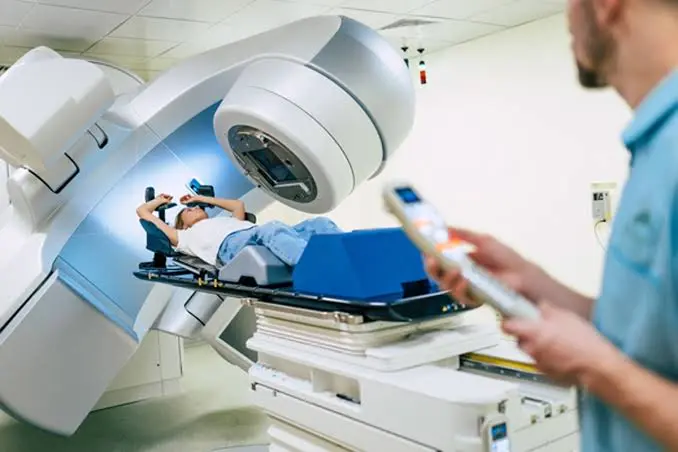
Radiation therapy, also called radiotherapy, uses high-energy radiation to damage the DNA of cancer cells. This prevents them from continuing to grow and divide, and can lead to their death. The treatment is carefully planned to target the intended area while limiting exposure to surrounding healthy tissues.
When is radiation therapy used?
Radiation therapy may be used as the main treatment for selected cancers, after surgery to reduce the risk of local recurrence, or before an operation to shrink a tumour. It can also be combined with chemotherapy or other treatments.
For some patients with advanced cancer, radiation may help relieve symptoms caused by a tumour, such as pain or pressure on nearby structures.
What happens during radiation treatment?
The process usually involves a planning appointment, during which the treatment team determines the target area and the appropriate radiation technique. Treatment may be delivered over several sessions, although the schedule varies by diagnosis and treatment plan.
Possible side effects depend on the part of the body receiving radiation. These may include fatigue, skin irritation, or effects involving the treated organ. Many side effects improve after treatment, but some can persist. The radiation oncology team explains the expected effects and how to manage them.
Radiation therapy and chemotherapy are not interchangeable. Each works differently, and the decision to use one or both depends on the cancer type, treatment objective, and available evidence.
4. Targeted Therapy
Targeted therapy uses medicines designed to interfere with specific proteins or other molecular changes that help cancer cells grow, divide, or spread. Unlike conventional chemotherapy, which affects many rapidly dividing cells, targeted treatments are developed to act on particular features of cancer cells.
Why is biomarker testing important?
A targeted medicine is useful only when the cancer has the relevant target or biological feature. Depending on the cancer, doctors may recommend testing a tumour sample or another appropriate specimen to look for specific genetic changes, proteins, or biomarkers.
The results may help the oncologist determine whether a targeted treatment is suitable. Testing can also show that a particular medicine is unlikely to be helpful, which can prevent treatment decisions based on assumptions alone.
Are targeted therapies suitable for everyone?
No. The availability and usefulness of targeted therapy depend on the cancer type, its molecular characteristics, previous treatments, and the medicines approved or otherwise appropriate for that clinical situation.
Side effects vary between drugs and may affect the skin, digestive system, liver, blood pressure, or other parts of the body. Cancer cells can also develop resistance, so doctors monitor treatment response and may need to adjust the plan.
5. Immunotherapy
Immunotherapy helps the body’s immune system recognise or attack cancer cells. Some cancers develop ways to avoid immune detection, and certain immunotherapies help overcome these mechanisms. Other approaches work through different parts of the immune response.
Immunotherapy has become an important treatment option for selected cancers, but it does not work equally well for every tumour or every patient.
When might immunotherapy be recommended?
Depending on the diagnosis, immunotherapy may be used on its own or alongside chemotherapy, targeted therapy, or other treatments. The decision can depend on the cancer’s location, stage, previous treatment, and specific biomarkers.
Doctors may review test results such as certain protein markers or other tumour characteristics when deciding whether an immunotherapy medicine is appropriate. The exact tests needed differ by cancer type and treatment.
What side effects can occur?
Because immunotherapy affects immune activity, it can sometimes cause the immune system to inflame healthy organs. Possible effects include skin reactions, diarrhoea, inflammation of the lungs, or changes in hormone-producing glands. Some reactions can be serious and require prompt medical attention.
Patients receiving immunotherapy should tell their care team about new or worsening symptoms, even if they seem unrelated to treatment. Early assessment is important because immune-related side effects may require specific management.
For a more detailed explanation, read our related article on cancer immunotherapy, including how it works, its potential benefits, and its side effects.
6. Hormone Therapy
Some cancers depend on hormones to grow. Hormone therapy, also called endocrine therapy, works by reducing the production of certain hormones or blocking their effects on cancer cells. It is most commonly associated with selected breast and prostate cancers, although the exact role depends on the tumour’s biological features.
For example, some breast cancers have receptors that allow them to respond to oestrogen or progesterone. Certain prostate cancers depend on androgen hormones. When a cancer is hormone-sensitive, treatment that blocks the relevant hormonal signals may help slow its growth.
Hormone therapy may be used after the main treatment to reduce the risk of recurrence, alongside other treatments, or to control disease that has spread. It may involve tablets, injections, or other medicines, depending on the treatment.
Potential side effects vary. They may include hot flushes, changes in sexual function, fatigue, changes in mood, or effects on bone health. The medical team can explain which effects are most relevant to the prescribed medicine and how they will be monitored. Hormone therapy is not appropriate for every breast or prostate cancer. Receptor status, disease stage, previous treatment, and other clinical factors help determine whether it is likely to be beneficial.
7. Stem Cell Transplantation
Stem cell transplantation is used mainly in selected blood cancers and other conditions affecting the blood-forming system. It involves restoring blood-forming stem cells after intensive treatment has damaged or destroyed them.
Depending on the diagnosis, patients may receive their own previously collected stem cells or cells from a suitable donor. The approach is selected according to the disease, treatment history, patient fitness, and transplant eligibility.
A transplant is a complex treatment that requires detailed assessment and specialist care. Potential risks include serious infections, bleeding, organ complications, and, when donor cells are used, graft-versus-host disease. Recovery and follow-up can be prolonged.
Stem cell transplantation is not a routine treatment for most solid tumours. Whether it is an option depends on the specific diagnosis and the evidence supporting its use.
8. Clinical Trials and Emerging Treatments
Clinical trials study new treatments or investigate better ways to use existing ones. They may evaluate new medicines, combinations of treatments, treatment schedules, or approaches to managing side effects. For some patients, a clinical trial may offer access to a treatment that is not yet part of standard care. However, participation does not guarantee a better outcome, and eligibility criteria can be strict.
Before joining a trial, patients should understand its purpose, possible benefits and risks, required visits, and available alternatives. They should also ask whether the study treatment is being compared with standard care and what happens if the treatment does not work.
An oncologist can help determine whether a relevant clinical trial is available and appropriate. Trial availability varies by cancer type, stage, location, and the study’s recruitment status.
9. Supportive and Palliative Care
Cancer care is not limited to treatments that directly target a tumour. Supportive care helps manage symptoms, treatment side effects, emotional concerns, nutrition-related difficulties, and other challenges that can affect daily life. Palliative care focuses on relieving symptoms and improving quality of life for people living with serious illness. It can be provided alongside cancer-directed treatment and is not limited to the final stages of life. Depending on a patient’s needs, supportive and palliative care may address:
- Pain, nausea, fatigue, or breathlessness.
- Appetite changes and nutritional concerns.
- Emotional distress, anxiety, or sleep difficulties.
- Side effects that interfere with everyday activities.
- Communication and planning around the patient’s goals and preferences.
The purpose is to support the person as a whole, not only to treat the cancer itself. When symptoms are recognised early, the care team may be able to offer interventions that make treatment more manageable.
Why Are Different Cancer Treatments Often Combined?
Many patients receive more than one type of treatment because different approaches can serve different purposes. Surgery may remove a visible tumour, while chemotherapy or radiation therapy may help address cancer cells that remain or reduce the chance of recurrence. In other cases, medicines may be used before surgery to shrink a tumour or make it easier to treat.
The order and combination depend on the cancer diagnosis. A treatment plan might include:
- Treatment before surgery: To shrink a tumour or improve the chance of an effective operation.
- Treatment after surgery: To reduce the risk of cancer returning.
- Combined treatment: For example, chemotherapy and radiation therapy together for selected cancers.
- Systemic treatment: Medicines that travel through the body to treat cancer cells beyond one local area.
- Symptom-focused treatment: To relieve pain or other problems caused by cancer, sometimes alongside treatment intended to control the disease.
Combining treatments can offer important benefits, but it may also increase side effects. The medical team considers the expected benefit, treatment risks, and the patient’s overall condition before recommending a particular sequence.
How Do Doctors Monitor Whether Cancer Treatment Is Working?
Treatment response is assessed using a combination of clinical information and appropriate investigations. The exact monitoring plan depends on the cancer type and the treatment being given.
Follow-up may include:
- Medical consultations: To review symptoms, daily functioning, and any side effects.
- Blood tests: To monitor general health, organ function, blood cell counts, or selected tumour markers when useful.
- Imaging scans: Such as CT, MRI, PET, or ultrasound, depending on the cancer and clinical question.
- Other specialised tests: Where relevant, these may help assess the disease’s biological features or response to treatment.
A tumour does not always shrink immediately, and a change in one test result does not necessarily tell the whole story. Doctors interpret results together and compare them with previous findings.
If a treatment is not producing the expected response, the oncologist may review the diagnosis, reassess the disease, or discuss alternatives. Depending on the situation, options may include changing medicines, using another treatment approach, considering a clinical trial, or focusing more strongly on symptom management.
Questions to Ask Your Oncologist About Treatment Options
A cancer diagnosis can make it difficult to absorb large amounts of information at once. Preparing questions before an appointment may help patients understand their choices and take part in decisions.
Consider asking:
- What type and stage of cancer do I have?
- What is the main goal of the recommended treatment?
- Which treatment options are appropriate for my diagnosis, and why?
- What are the potential benefits, risks, and common side effects of each option?
- Will I need biomarker or molecular testing before treatment?
- How long might treatment last, and how often will I need appointments?
- How will we monitor whether treatment is working?
- What symptoms should prompt me to contact the medical team urgently?
- Are there other reasonable options or relevant clinical trials?
- Would a second opinion help me make a more informed decision?
Patients should also tell their oncologist about existing medical conditions, medicines, supplements, allergies, and any concerns about work, family responsibilities, fertility, or quality of life. These details can influence treatment planning and the support required during care.
Understanding Cancer Treatment Options With Dr. Pranay Girdhari Taori
Choosing cancer treatment involves balancing the characteristics of the disease with the patient’s health, preferences, and treatment goals. The most appropriate plan is not necessarily the one that includes the greatest number of treatments. It is the one that is medically suitable for the individual situation and supported by the available evidence.
Dr. Pranay Girdhari Taori is a medical oncologist with extensive experience in cancer care. Treatment discussions may involve reviewing the diagnosis, understanding pathology and staging results, considering relevant biomarker findings, and explaining the role of systemic treatments such as chemotherapy, targeted therapy, and immunotherapy where appropriate.
Patients and families should have the opportunity to understand why a treatment is being recommended, what it aims to achieve, what side effects may occur, and how the care team will monitor progress. Clear communication can help patients make informed decisions and prepare for the practical aspects of treatment.
Final Words About Cancer Treatment Options
There are several cancer treatment options, including surgery, chemotherapy, radiation therapy, targeted therapy, immunotherapy, hormone therapy, and stem cell transplantation for selected conditions. Supportive and palliative care can also play an important role throughout the cancer journey.
The right approach depends on the type and stage of cancer, tumour biology, overall health, previous treatments, and the goals of care. Some patients need one main treatment, while others benefit from a carefully planned combination. Testing and regular monitoring help doctors make informed decisions and adjust the plan when needed.
If you or a family member has received a cancer diagnosis, consider arranging a consultation with a qualified oncologist to discuss the diagnosis and understand the available options. An individual assessment can help clarify the potential benefits and limitations of each approach and guide the next steps in care.
Frequently Asked Questions
What are the main cancer treatment options?
The main options include surgery, chemotherapy, radiation therapy, targeted therapy, immunotherapy, and hormone therapy. Stem cell transplantation is used for selected conditions, particularly certain blood cancers. Supportive and palliative care can help manage symptoms and treatment-related problems.
Is chemotherapy always necessary for cancer?
No. Chemotherapy is not required for every cancer. Some cancers may be treated primarily with surgery, radiation therapy, hormone therapy, targeted therapy, immunotherapy, or other approaches. The decision depends on the diagnosis, stage, tumour biology, and treatment goals.
What is the difference between chemotherapy and targeted therapy?
Chemotherapy generally affects cells that divide rapidly, including cancer cells and some healthy cells. Targeted therapy acts on specific molecular features that help cancer cells grow or survive. The treatments have different uses and side effects, and targeted therapy usually requires evidence that the relevant target is present.
Can cancer be treated without surgery?
Yes. Depending on the cancer, treatment may involve medicines, radiation therapy, or a combination of approaches without surgery. Some cancers respond well to non-surgical treatment, while others are more effectively managed with an operation as part of the plan.
How do doctors decide which cancer treatment is best?
Doctors consider the cancer type and stage, biopsy and imaging results, relevant biomarkers, overall health, previous treatments, and the patient’s preferences. The medical team then explains the potential benefits and risks of the suitable options.
Can cancer treatment change after it starts?
Yes. Doctors monitor symptoms, side effects, blood tests, and imaging or other relevant investigations. If the cancer responds differently than expected or side effects become difficult to manage, the treatment plan may be reviewed and adjusted.
Should I get a second opinion before starting cancer treatment?
A second opinion can help some patients better understand their diagnosis and available options, particularly when the treatment plan is complex or several approaches are reasonable. If you are considering one, ask how to arrange it without unnecessarily delaying time-sensitive care.
